
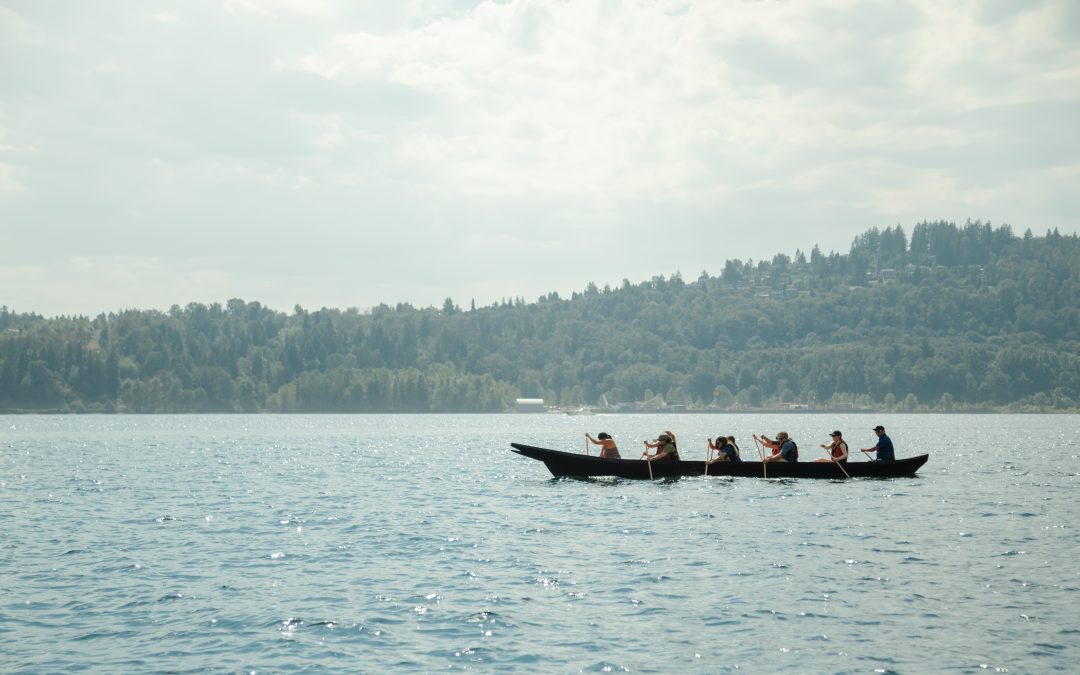
In early October the CTE’s Indigenization and Decolonization page was updated with invitations to (re)consider, (re)examine, and (re)imagine with Indigenization, decolonization, teaching, and learning. This iteration involves deliberations on what it may mean to Indigenize and decolonize teaching and learning, a curated list of resources, links to Library’s Research Guides, and an introduction to Chén̓chenstway.
In this blog post you will find stories of who, how, and why it was designed this way.
Starting in a good way: Awakening Skw’cháys’
The header image on the CTE’s page shows Skw’cháys being brushed with cedar during the 2021 awakening ceremony. This image was chosen to remind us of our shared responsibility as a canoe family, paddling together, and working in a common way.
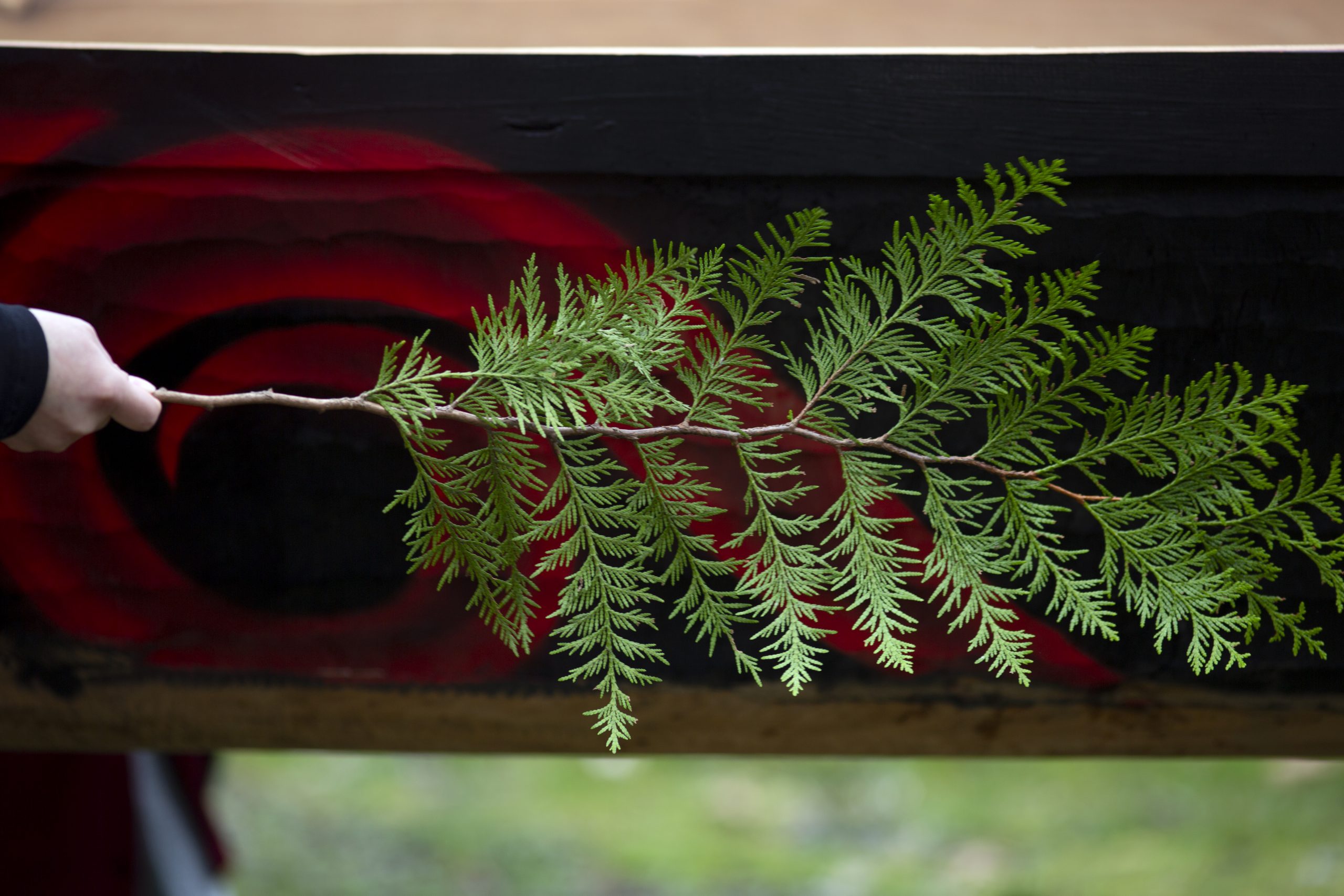
Skw’cháys is a 30-foot Coast Salish canoe commissioned in 2018 to celebrate CapU’s 50th anniversary. Ses siyam (Ray Natraoro) and Xats’alanexw siyam (Victor Harry) carved the seaworthy hunting canoe in the winter of 2019, giving students, employees and the community the unique opportunity to witness the transformation from 800-year-old red cedar (the Elaho Valley, northwest of Whistler) to Skw’cháys. Following cultural protocol, the University hosts ceremonies to awaken Skw’cháys every spring and put him to sleep every fall.
Here you will find a few invitations and stories about Skw’cháys
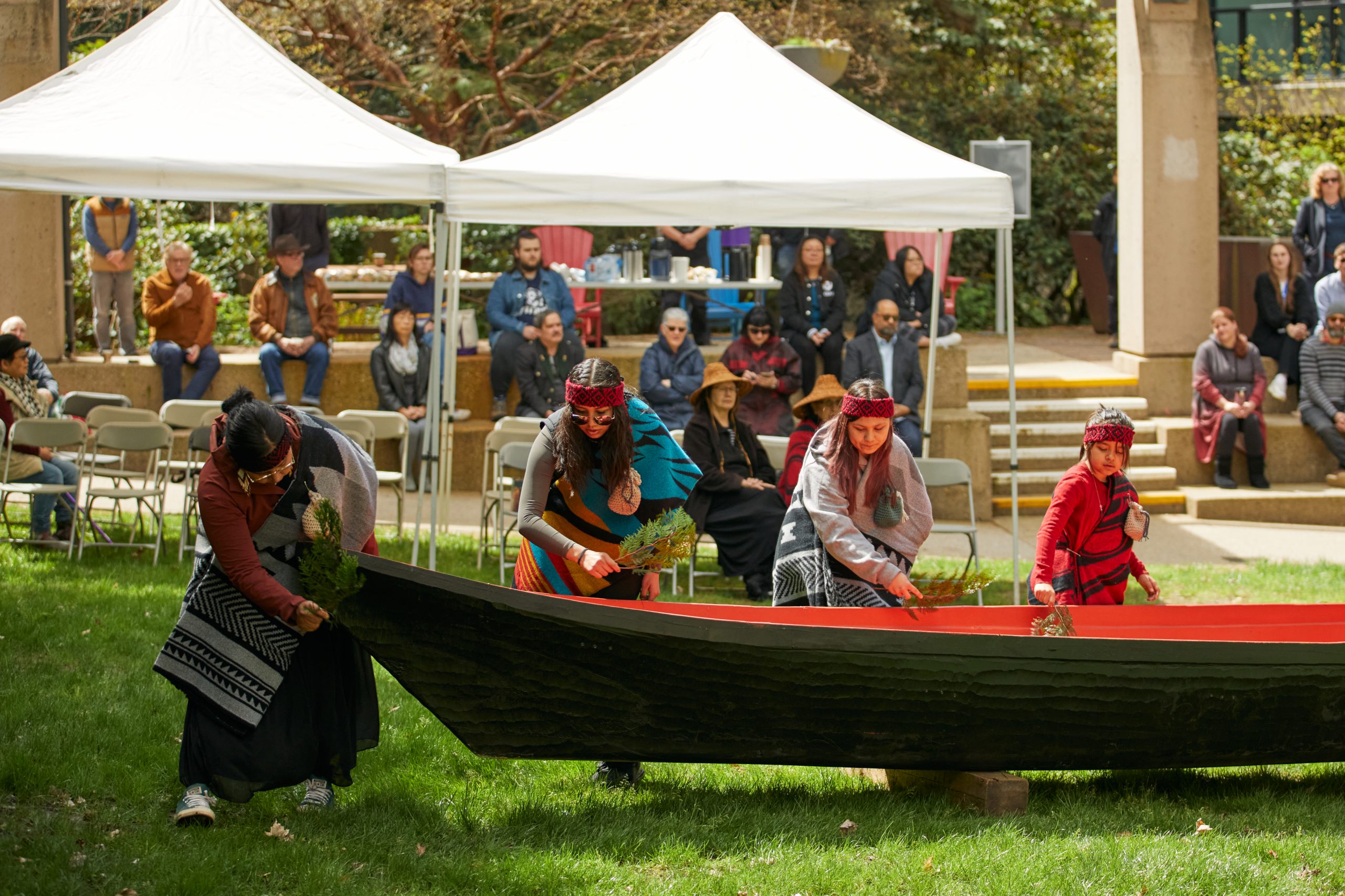
(Above: Cedar brushing of Skw’cháys’ during the 2024 awakening ceremony.)
An invitation not a directive
You may notice the language of the updated page was carefully crafted with words like: offer, invite, support, and gift. This was a purposive choice to focus on relationality, openness, and shared responsibility. As I (Christina) experience it, Indigenization and decolonization is a shared responsibility—an invitation in(to)—we constantly work towards.
Taanishi / Hello
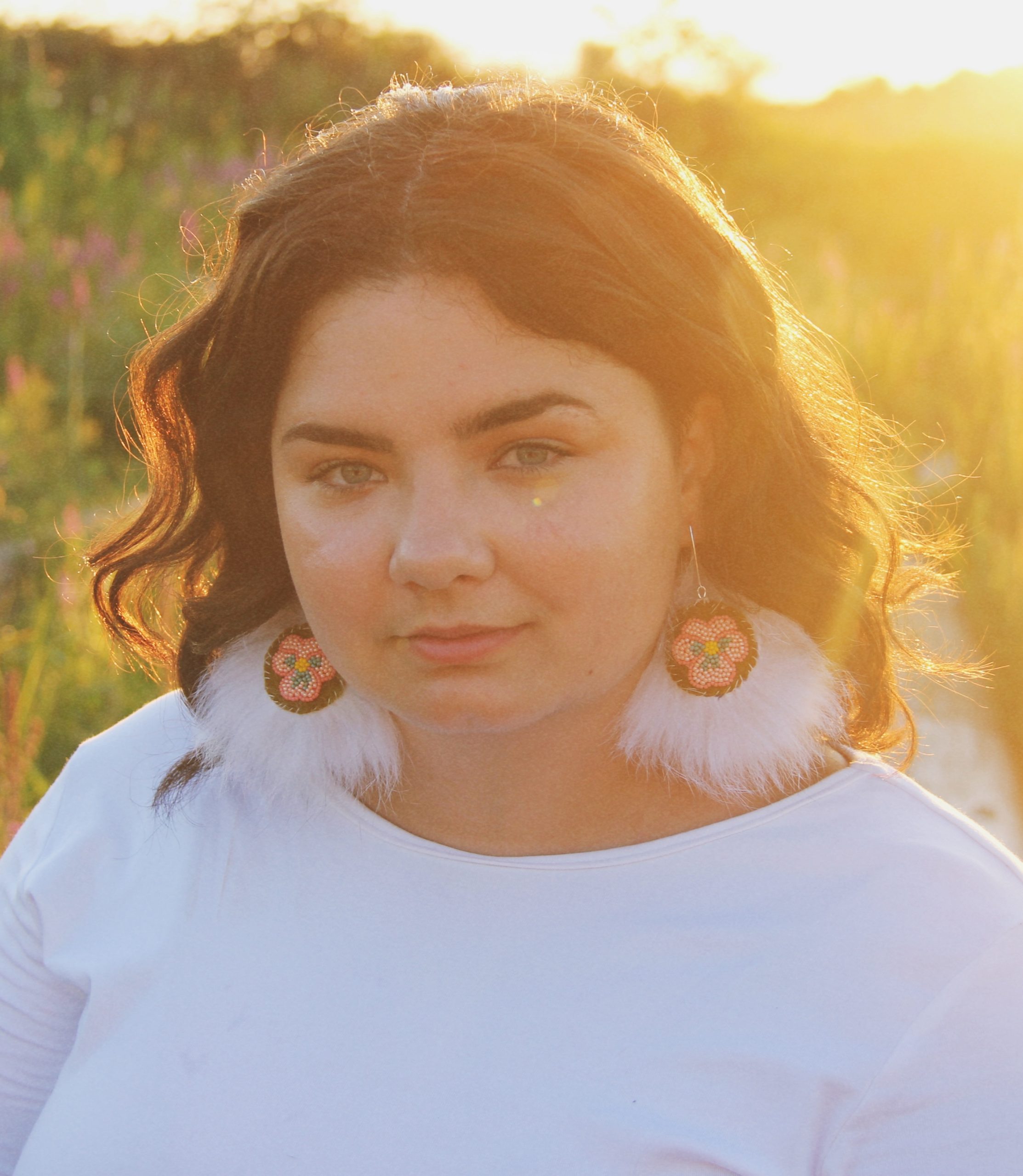
The CTE’s page on Indigenization and Decolonization was (re)imagined by me (Christina Lennox, educational developer). I am a Red River Métis (I hold citizenship with Métis Nation of British Columbia) through my mother’s family and was born and raised as an univited guest on the lands and waters of the xʷməθkʷəy̓əm, Sḵwx̱wú7mesh, and səlilwətaɬ Nations. I describe myself first as a storyteller and artist who happens to find themselves in spaces of scholarship, research, and cultural facilitation. I value relationality, laughter, and starting in a good way. So, hello reader, it’s nice to meet you.
Kaawaapamitin (see you later)
Recent Comments