
Centre for Teaching Excellence
Blog
Sharing, Learning, and Being Brave – This is Open Classroom Week
I have to admit, it took some bravery on my part to join Open Classroom Week for the first-time last year. I was eager to join other classes so that I could learn new ideas, especially since we were all teaching in new ways. However, the thought of having other...
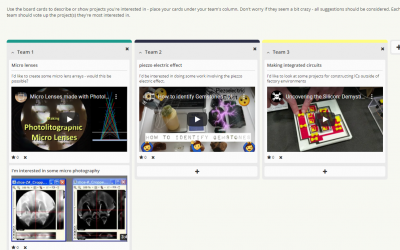
What’s New in eLearn? – Board, Realtime Quiz & Zoom Integration
Board Are you a fan of Padlet? The Board activity for Moodle is a new post-it board activity for students. This is a collaborative activity where the teachers sets out a number of columns with optional names and then students add contributions to a column....

Strange Times: CapU Journeys Through the Pandemic – The Graphic Novel
Are you: ... fatigued and want to relax and refresh with peers? ... curious about how stick figure comics can be used to tell important stories? ... want to learn how to use open ed SPLOTs for learning activities in your courses and lessons? ... want to visually...
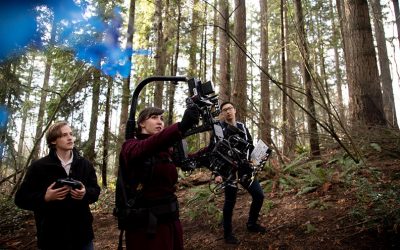
Teaching (Philosophy) during uncertain times
Transitioning from Emergency Remote to In-Person Teaching Like many of you, we all were genuinely looking forward, to leaving behind, “emergency remote teaching” and reconnecting with our students and our peers back on campus. Sadly, this return to campus was delayed...

2022 Capilano University Teaching & Learning Symposium: Call for Proposals
Theme: Community-engaged Teaching and Learning May 3 - 6, 2022 Submit your proposal now! Community-engaged teaching and learning (CeTL) is just what it sounds like: teaching and learning that is focused upon, takes place in, and partners with...

Instructional Skills Workshop – Feb 23-25 2022
Looking for Professional Development opportunities during Reading Week? The Instructional Skills Workshop is an internationally recognized program designed to enhance teaching effectiveness of both new and experienced educators. During an intensive 24-hour...

“Gratitude is the healthiest of all human emotions.” Zig Ziglar
Where does gratitude fit in with your daily interactions with students and colleagues? Showing gratitude, according to the research, has many positive effects; it improves sleep, mental strength, physical and mental health, and enhances empathy and self-esteem...

Tracking Open Textbooks & Open Educational Resources at Cap U
What Are Open Educational Resources (OERs)? Open Educational Resources (OERs) are freely accessible educational materials used in instructional, learning and research environments. Furthermore, they are recognized as openly licensed and can be created, reused,...

Welcome Bhuvinder Vaid, Educational Developer
My name is Bhuvinder Vaid (he, him, his), but most everyone calls me by my nickname, “Beev”. I am so excited to be joining the CTE at CapU, but perhaps most importantly, joining a team of passionate and supportive colleagues. Before the last 16 months of teaching...
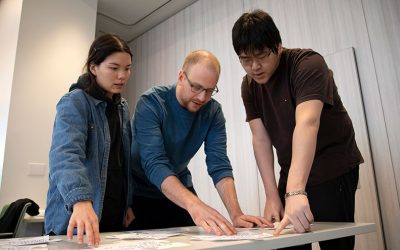
Formative Feedback: Listening to Our Classrooms
What are you doing in the classroom this term that’s working? What might you be doing that isn’t really creating those meaningful learning experiences you intended? Formative feedback is a chance for us as instructors to listen to what our classrooms have to say to...
Capilano University is named after Chief Joe Capilano (1854–1910), an important leader of the Skwxwú7mesh (Squamish) Nation of the Coast Salish Peoples. We respectfully acknowledge that our campuses are located on the unceded territories of the səlilwətaɬ (Tsleil-Waututh), shíshálh (Sechelt), Skwxwú7mesh (Squamish), and xʷməθkʷəỷəm (Musqueam) Nations.
Capilano University | 2055 Purcell Way | North Vancouver | BC | Canada | V5J 3H5
Recent Comments